Source high quality clutch release bearing for Trucks, Cars, Farm Machinery
Find 30 listings for high quality clutch release bearing suitable for heavy duty trucks, cars, and farm machinery. Buyers can compare specifications, certifications, and pricing from verified Chinese manufacturers offering customized options.
Key considerations
Products List


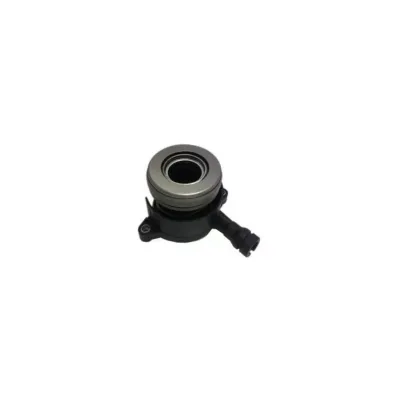


Comprehensive Sourcing Guide
High Quality Clutch Release Bearing Sourcing Guide
Procuring high-quality clutch release bearings requires a disciplined approach that balances technical precision with commercial reliability. These components are critical for smooth gear shifting and clutch engagement, particularly in heavy-duty applications where operational stress is high. Buyers must navigate a market characterized by significant variation in material quality, manufacturing standards, and supplier capabilities. This guide provides a structured framework for evaluating suppliers, verifying technical specifications, and ensuring long-term supply chain stability for these essential automotive parts.
The sourcing process begins with a clear understanding of the product’s role within the broader drivetrain system. A clutch release bearing, often referred to as a throw-out bearing, facilitates the disengagement of the clutch by transferring force from the clutch fork to the pressure plate diaphragm spring. In heavy-duty trucks, tractors, and racing vehicles, this component endures intense friction and heat. Consequently, sourcing decisions must prioritize durability, precision, and compatibility with specific vehicle models and engine configurations to prevent premature failure and costly downtime.
Product Scope and Observed Listing Signals
The current market landscape for clutch release bearings reveals a wide spectrum of product offerings, ranging from standard automotive replacements to specialized components for heavy machinery. Observed listings indicate a price range that reflects varying levels of material quality and manufacturing complexity. Buyers should note that while some listings offer competitive pricing, others command higher premiums for specialized models designed for specific heavy-duty truck applications or racing cars. Understanding this price variance is crucial for budgeting and identifying potential quality discrepancies among suppliers.
Listing signals also highlight the importance of customization and packaging options in modern procurement. Many suppliers offer customized solutions, including neutral packaging or OEM-specific branding, which can be vital for private label strategies or specific logistical requirements. Additionally, the availability of large stock levels for certain models suggests that buyers can secure immediate fulfillment for common part numbers. However, the presence of diverse model numbers, such as those starting with 3100 or 3151, indicates a fragmented market where precise part identification is essential to avoid compatibility issues.
Technical Specifications to Verify
Verifying technical specifications is the most critical step in ensuring the reliability of a clutch release bearing. Key attributes to confirm include the inner diameter, which is often standardized at 60mm for many heavy-duty applications, and the precision grade, such as P6, which dictates the bearing’s rotational accuracy and noise levels. Buyers must also assess the cage material, with steel cages being a common choice for durability under high-load conditions. These physical dimensions and material choices directly impact the bearing’s ability to withstand the mechanical stresses of clutch engagement and disengagement.
Further verification should focus on the bearing’s classification and working mode. For instance, some bearings are classified as friction clutches with a linkage working state, designed for power combining in heavy-duty trucks. It is essential to match these operational characteristics with the specific requirements of the target vehicle or machinery. Additionally, buyers should confirm the stroke type, whether 2-stroke or 4-stroke, as this influences the bearing’s interaction with the clutch mechanism. Ensuring that the product model, such as 86CL6084F2-A or 4141249650, aligns with the original equipment manufacturer’s specifications is non-negotiable for proper fit and function.
Compliance and Safety Documentation
Compliance with international standards and certifications is a fundamental requirement for sourcing high-quality clutch release bearings. Suppliers should provide documentation confirming adherence to recognized standards such as ISO/TS16949, which is critical for automotive supply chain quality management. Additionally, certifications like RoHS and CE indicate compliance with environmental and safety regulations, which may be required for export to specific markets. Buyers must request these certificates to ensure that the products meet the necessary regulatory frameworks and do not contain prohibited substances.
Beyond certifications, buyers should verify the product’s origin and associated quality levels. Products originating from established manufacturing hubs, such as Hebei, China, often benefit from mature industrial ecosystems and specialized expertise in automotive components. However, origin alone does not guarantee quality; therefore, buyers should insist on clear quality level designations, such as "High," and request evidence of consistent manufacturing processes. Understanding the supply chain’s transparency and the supplier’s commitment to quality control standards helps mitigate risks associated with substandard components.
Cost Drivers and Commercial Terms
Several factors influence the total cost of ownership for clutch release bearings, including material costs, manufacturing complexity, and commercial terms. The use of stainless steel or high-grade steel can increase material costs but offers superior corrosion resistance and durability. Buyers should evaluate whether the premium for higher-grade materials is justified by the operational environment of the end product. Additionally, customization options, such as specific packaging or branding, may incur additional fees that should be factored into the overall procurement budget.
Commercial terms, including minimum order quantities (MOQ) and lead times, play a significant role in procurement planning. Observed MOQs can range widely, from small quantities for testing to large volumes for mass production, allowing buyers to align orders with their inventory needs. Lead times, typically around 15 days for standard orders, should be considered when planning supply chain logistics. Buyers should negotiate clear terms regarding payment, shipping, and returns to ensure flexibility and protect against potential disruptions in the supply chain.
Supplier Qualification and Quality Control
Supplier qualification is essential for establishing a reliable source of high-quality clutch release bearings. Buyers should conduct thorough due diligence to assess the supplier’s manufacturing capabilities, quality control processes, and track record. This includes verifying the supplier’s ability to produce components that meet specific standards, such as BS, ANSI, JIS, GB, GOST, ASTM, and DIN. A supplier’s commitment to quality is often reflected in their willingness to provide detailed product specifications and evidence of consistent production practices.
Quality control measures should be integrated into the procurement process to ensure that delivered products meet the agreed-upon standards. Buyers should request samples for initial testing and evaluation before committing to larger orders. Additionally, establishing clear communication channels with the supplier for addressing any quality issues or discrepancies is crucial. Regular audits or third-party inspections may be necessary for high-volume procurement to ensure ongoing compliance with quality requirements and to maintain the integrity of the supply chain.
Long-Term Procurement Checks
Long-term procurement success depends on continuous monitoring and evaluation of supplier performance and product quality. Buyers should establish key performance indicators (KPIs) to track metrics such as delivery times, defect rates, and responsiveness to issues. Regular reviews of these metrics help identify potential problems early and allow for corrective actions to be taken. Maintaining a diverse supplier base can also mitigate risks associated with single-source dependencies and ensure continuity of supply.
Furthermore, staying informed about industry trends and technological advancements in clutch bearing technology is vital for long-term competitiveness. Buyers should engage with suppliers to discuss potential improvements in materials, design, or manufacturing processes that could enhance product performance. Building strong, collaborative relationships with suppliers fosters innovation and ensures that procurement strategies remain aligned with evolving market demands and customer expectations. This proactive approach helps secure a sustainable supply of high-quality clutch release bearings for future needs.
FAQs
What certifications do the clutch release bearings have?
The products hold ISOGS, RoHS, CE, and ISO/TS16949 certifications. These standards ensure compliance with international quality and safety requirements for automotive and heavy-duty applications.
Can I request custom packaging for these bearings?
Yes, customization is available including neutral packaging or custom options. Buyers can also choose between carton or pallet packing depending on their specific logistics and storage needs.
What is the lead time for ordering these parts?
The standard lead time is 15 days for most orders. This duration applies to new condition items sourced from Hebei, China, ensuring timely delivery for repair and maintenance schedules.
Which materials are used to manufacture these bearings?
The bearings are primarily manufactured using stainless steel and steel materials. These durable materials provide high quality and reliability for use in cars, tractors, and heavy-duty trucks.
What is the minimum order quantity for these items?
The minimum order quantity ranges from 1 to 10,000,000 units depending on the specific product model. This flexibility allows buyers to source small repair batches or large industrial volumes.
Are these bearings suitable for heavy duty trucks?
Yes, the products are explicitly designed for heavy duty trucks, racing cars, and farm machinery. They function as friction clutches with a linkage working state for power combining applications.